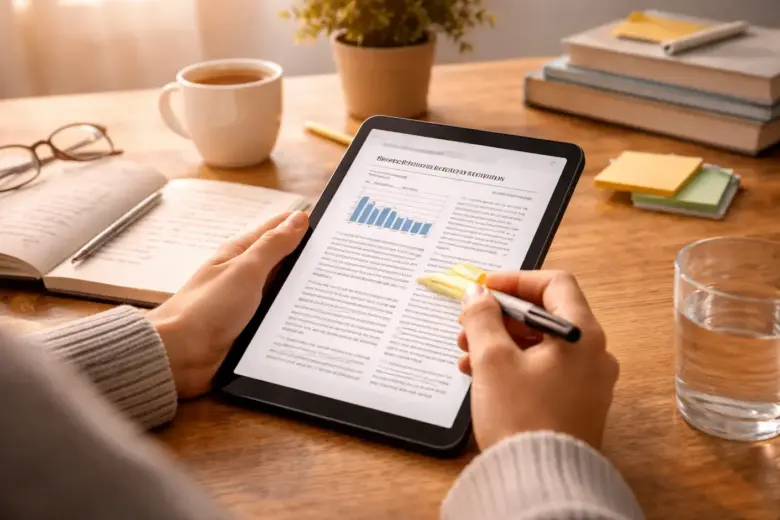
In a world overflowing with information, the ability to consistently read educational content has become a powerful personal advantage. People who regularly read educational articles tend to stay informed, think critically, and adapt faster to change. Yet many beginners struggle to build a daily reading habit. They feel too busy, too distracted, or unsure where to start. The good news is that building this habit is not about intelligence or willpower—it is about creating a system that works for real life.
This guide will walk you through practical, beginner-friendly strategies to build a daily habit of reading educational articles. By the end, you’ll have a simple, repeatable routine you can follow every day.
Understanding Why Most People Fail to Build Reading Habits
Many people start with strong motivation but quickly lose momentum. The most common mistake is setting unrealistic expectations. Some people try to read for an hour every day from the start, which feels overwhelming. Others rely solely on motivation instead of systems and routines.
Another problem is decision fatigue. When you don’t know what to read or where to find quality articles, the brain chooses the easiest option—scrolling social media instead. Without a clear plan, the reading habit never sticks.
Recognizing these challenges helps you avoid them from the beginning.
Defining Your Purpose for Reading Educational Articles
A strong habit always begins with a clear reason. Without purpose, reading feels like a chore. With purpose, it feels meaningful and rewarding. Ask yourself why you want to read educational articles daily. Your goal might be to improve career skills, stay updated on technology, learn about finance, or simply become a more informed person. Writing down your reason creates a mental anchor that motivates you when your enthusiasm fades. When your brain understands the benefit, consistency becomes easier.
Starting Small to Avoid Overwhelm
One of the most effective habit-building strategies is starting small. Instead of committing to long reading sessions, begin with just 5–10 minutes per day. This small commitment removes resistance and makes it easier to start.
Small habits build confidence. Once the routine feels natural, you can gradually increase your reading time. The goal is consistency, not intensity. Even reading one short article daily is enough to build momentum.
Creating a Fixed Reading Time in Your Daily Schedule
Habits thrive on routine. Choosing a fixed time each day eliminates the need to decide when to read. The best time depends on your lifestyle, but common options include:
- Morning reading with coffee or tea
- Reading during lunch breaks
- Evening reading before bed
Linking reading to an existing routine makes the habit automatic. This technique is called habit stacking. For example, reading after breakfast every day quickly becomes part of your lifestyle.
Consistency beats perfect timing.
Designing a Comfortable Reading Environment
Your environment plays a major role in habit success. If your reading space is distracting or uncomfortable, your brain will resist the activity.
Create a simple reading setup:
- A quiet corner or comfortable chair
- Good lighting
- Minimal distractions
- Easy access to your device or saved articles
A dedicated reading environment signals your brain that it’s time to focus.
Choosing the Right Types of Educational Articles
Not all educational content feels engaging. Choosing topics that genuinely interest you makes the habit enjoyable instead of forced.
Start with subjects that spark curiosity:
- Personal development
- Technology and digital skills
- Finance and productivity
- Science and everyday knowledge
- Career growth and learning strategies
Interest fuels consistency. You can expand to new topics later once the habit becomes stable.
Building a Reliable List of Reading Sources
One major obstacle to daily reading is not knowing where to find quality articles. Solving this problem in advance removes friction.
Create a list of trusted sources:
- Blogs in your niche
- Educational websites
- Online magazines
- Newsletters
- Learning platforms
Bookmark these sources so you never waste time searching. When reading becomes easy to start, you’re more likely to continue.
Using the “Save for Later” Strategy
Busy days are inevitable. The “save for later” method ensures you always have articles ready.
Whenever you find intriguing content, save it to a reading app, bookmark folder, or notes app. Over time, you’ll build a personal reading library.
This strategy removes the excuse of “I don’t know what to read today.”
Limiting Distractions During Reading Time
Digital distractions are one of the biggest threats to reading habits. Notifications, messages, and social media can easily interrupt focus.
To stay engaged:
- Turn off notifications
- Use focus mode on your device
- Read in airplane mode when possible
Even a short, distraction-free reading session is far more effective than a long, distracted one.
Making Reading Enjoyable Instead of Forced
If reading feels like homework, the habit won’t last. The key is making it enjoyable.
Try these approaches:
- Read topics you love first
- Highlight interesting ideas
- Share useful insights with friends
- Reward yourself after reading
When reading becomes rewarding, your brain starts craving it.
Tracking Your Daily Reading Progress
Tracking progress reinforces habits. It creates a sense of achievement and keeps you motivated.
You can track reading using:
- A habit tracker app
- A calendar where you mark reading days
- A simple notebook
Seeing your streak grow encourages consistency.
Applying What You Read to Real Life
Reading becomes meaningful when you use what you learn. Applying ideas strengthens memory and increases motivation.
After reading an article, ask:
- What did I learn?
- How can I use this information?
- What small action can I take today?
This reflection transforms reading into personal growth.
Using the 5-Minute Rule on Busy Days
Some days will feel too busy to read. Instead of skipping completely, use the 5-minute rule.
Consider encouraging yourself to read for just five minutes. Once you start, you’ll often continue longer. Even if you stop after five minutes, you’ve kept the habit alive.
Consistency matters more than duration.
Gradually Increasing Your Reading Time
After a few weeks of consistent reading, you’ll naturally feel comfortable reading longer. Increase your reading time slowly—from 10 minutes to 15, then 20.
Avoid sudden increases that feel overwhelming. Habit growth should feel natural and manageable.
Building a Personal Knowledge System
Reading daily generates valuable knowledge. Organizing this knowledge helps you remember and use it.
Simple ways to organize ideas:
- Write short summaries
- Keep a digital notes folder
- Save favorite quotes
- Create topic-based notes
A personal knowledge system turns reading into long-term learning.
Staying Motivated When Progress Feels Slow
Some people quit because they don’t see immediate results. But reading is a long-term investment.
Benefits appear gradually:
- Improved vocabulary
- Better decision-making
- Increased confidence
- Expanded knowledge
Trust the process. Small, daily learning adds up over time.
Overcoming Reading Fatigue and Burnout
Reading fatigue can happen if you push too hard. Balance is essential.
Prevent burnout by:
- Mixing light and deep topics
- Taking short breaks
- Skipping difficult articles occasionally
A flexible approach keeps the habit sustainable.
Turning Reading Into a Lifestyle Identity
The most powerful shift happens when you see yourself as a reader. Identity-based habits last longer than goal-based habits.
Instead of saying, “I want to read daily,” say, “I am someone who learns every day.”
This mindset change makes reading part of who you are.
Encouraging Social Learning and Sharing
Sharing what you read reinforces learning and keeps you motivated. You can:
- Discuss ideas with friends
- Share insights on social media
- Write short summaries
Teaching others strengthens understanding and builds accountability.
Handling Missed Days Without Losing Momentum
Missing a day is normal. The key is avoiding the “all-or-nothing” mindset.
Follow the “never miss twice” rule. If you skip one day, read the next day no matter what.
Consistency over perfection ensures long-term success.
Creating a Simple Daily Reading Routine
A beginner-friendly daily routine might look like this:
- Open your saved article list
- Read for 10–15 minutes
- Highlight useful ideas
- Write a quick takeaway note
This routine takes less than 20 minutes but creates lifelong learning habits.
Long-Term Benefits of Daily Educational Reading
Over time, daily reading leads to:
- Stronger critical thinking
- Better communication skills
- Greater confidence in conversations
- Improved career opportunities
- Lifelong curiosity and growth
These benefits compound year after year.
Conclusion:
Building a daily habit of reading educational articles doesn’t require dramatic lifestyle changes. It begins with small, consistent steps and a simple system. By starting small, creating a routine, choosing engaging topics, and tracking progress, you can turn reading into a natural part of your life.
Remember, the goal is not perfection but consistency. Even a few minutes of reading every day can lead to meaningful personal and professional growth over time. The sooner you start, the sooner you’ll begin seeing the benefits.
FAQs
1. How long should I read educational articles each day?
Start with 5–10 minutes daily. Once the habit feels natural, gradually increase to 15–20 minutes or more.
2. What if I don’t enjoy reading?
Begin with topics that genuinely interest you. Enjoyment makes consistency easier, and interest grows over time.
3. Is it better to read in the morning or evening?
Both work well. Choose a time that fits your routine and stick to it consistently.
4. How do I stay consistent when life becomes busy?
Use the 5-minute rule. Even short reading sessions keep the habit alive and prevent losing momentum.
5. Can reading educational articles really make a difference?
Yes. Small daily learning compounds over time, improving knowledge, confidence, and decision-making skills.